


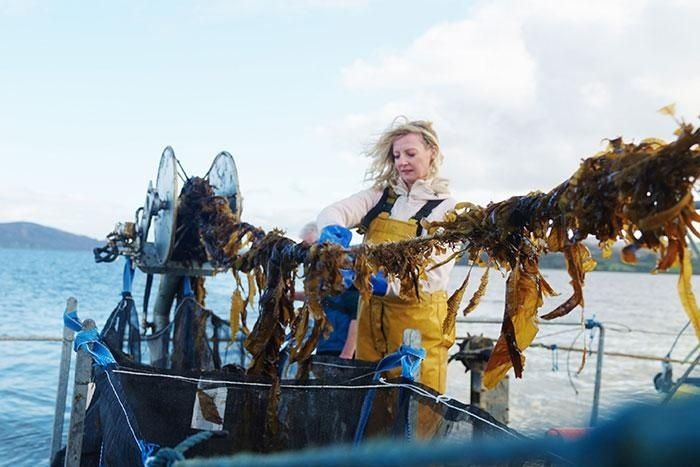
Rediscovering the Salty Bounty of Ireland Shores
Along Ireland”s Atlantic edge, the shoreline is more than a dramatic boundary between land and sea. It is a living ecosystem shaped by tides, weather, rock pools, currents, and changing seasons. For generations, coastal communities have treated this intertidal zone as a practical larder, gathering shellfish, herbs, and edible sea vegetables when cultivated food was scarce or when local knowledge made the coast an everyday source of nourishment.
That tradition is now being rediscovered through modern Irish gastronomy. Seaweed once associated primarily with hardship is increasingly presented as an expression of coastal terroir, with chefs using it to add salinity, umami, texture, and subtle sweetness to contemporary dishes. The responsible forager, however, approaches this revival with humility. Curiosity must be balanced with knowledge of tides, species, water quality, wildlife, and the limits of a particular shore. Ethical gathering is not simply about taking less. It is about understanding that every harvest comes from a living system.
From Survival Food to Haute Cuisine Along the Wild Atlantic Way
Sea vegetables formed part of the food culture of Irish coastal communities long before restaurants began describing them as premium ingredients. During seasonal shortages and periods of severe poverty, wild plants from the shore could provide valuable nourishment when other supplies were limited. Historical accounts of seaweed in Ireland also connect it with animal feed, agricultural use, medicinal preparations, and small coastal industries. The association with famine food became particularly powerful, and that memory helped push sea vegetables away from the center of everyday cooking.
Over time, the cultural meaning of seaweed began to change. Ingredients once viewed as signs of deprivation could also be understood as evidence of resilience, local knowledge, and a close relationship with the Atlantic. This shift does not erase the hardship attached to the past, nor should it turn famine history into a fashionable decorative story. It does, however, allow Irish cooks to recognize the skill involved in making useful food from the landscape. In that context, the return of seaweed to the table is less a novelty than a recovery of an older coastal vocabulary.
Modern chefs have helped translate that vocabulary into refined cooking. Dried dillisk may be crumbled over potatoes, fish, or cultured butter; kelp can bring depth to broths and stocks; and carrageen can create a delicate set dessert without relying on animal gelatin. The appeal is not only symbolic. A small quantity of well-prepared seaweed can transform a dish with concentrated flavor, making it a compelling ingredient for cooks interested in both sustainability and culinary precision. Deeply woven into coastal heritage, Palmaria palmata has fed Atlantic seaside communities across centuries, and its return to restaurant menus gives that history a contemporary place.
Key Edible Sea Vegetables and Culinary Characteristics
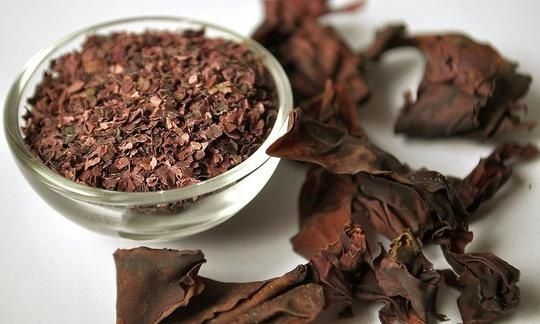
Several sea vegetables are particularly important in discussions of Irish coastal cooking. Dillisk, also known as dulse, is valued for its savory, smoky, almost meaty character. It can be eaten after careful preparation, toasted until crisp, or dried and ground into a seasoning. Its intensity means that a little often goes a long way, especially when it is added to soups, sauces, breads, compound butter, or vegetable dishes.
Carrageen, or Irish moss, is prized for a different quality. When reconstituted and gently simmered, it releases carrageenan, a soluble-fibre substance that thickens liquid and produces a soft set. That property made it useful in traditional desserts and household cooking. A classic example is Forgotten Foods #9: Carrageen Pudding, a historical preparation that demonstrates how a familiar shoreline harvest could become a milk-based pudding. Sea lettuce offers a greener, more delicate profile, with a fresh marine flavor that can work in salads, soups, savory pancakes, and light garnishes. Sugar kelp, with its broad, wavy blades, is also used in broths, crisps, and seasoning blends.
| Sea vegetable | Typical flavor | Texture and useful applications |
|---|---|---|
| Dillisk | Smoky, savory, umami-rich | Chewy when rehydrated, crisp when toasted, useful as a seasoning or garnish |
| Carrageen | Subtle marine character | Gel-forming when simmered, suitable for puddings and soft-set desserts |
| Sea lettuce | Fresh, green, lightly saline | Delicate and tender, suitable for soups, salads, and quick cooking |
| Sugar kelp | Deeply savory with gentle sweetness | Firm and flexible, useful in broths, crisps, and infused liquids |
Ethical Harvesting and Shoreline Stewardship
Responsible harvesting begins with the principle that seaweed should be cut, not torn away. The holdfast, or anchoring base, should remain attached to the rock wherever possible so the plant has a chance to regrow. Clean shears are preferable to pulling by hand, and the goal should be selective trimming rather than clearing an entire patch. A careful forager takes only a small portion of mature growth, leaves the majority untouched, and collects no more than can be cleaned and preserved promptly.
Rotational gathering is equally important. A productive rock pool or shoreline patch should not be treated as a permanent pantry. Returning to different areas and allowing harvested sections to recover reduces pressure on local micro-ecosystems. Seaweed also provides shelter and habitat for small marine organisms, so its value extends beyond the kitchen. Wider stewardship requires attention to nesting seabirds, seals, fragile rock-pool life, private property, protected areas, and local access rules. Industrial seaweed expansion has also raised concerns about monocultures and ecological simplification, making small-scale biodiversity-conscious harvesting especially important.
- Cut fronds above the holdfast and never uproot an entire plant.
- Take modest quantities from scattered areas rather than stripping one patch.
- Leave young growth and most mature plants in place for recovery and habitat.
- Avoid nesting sites, wildlife resting areas, polluted outfalls, and heavily trafficked shorelines.
- Check local access requirements and protected-area restrictions before gathering.
Essential Safety and Preparation Checklist for Beginners
Species identification is only one part of safe seaweed foraging. Sea vegetables absorb substances from their surroundings, including heavy metals, bacteria, and other contaminants, so location matters as much as appearance. Beginners should check current local water-quality notifications and avoid collecting near sewage discharges, harbors, industrial sites, stagnant water, or visibly polluted areas. Tide tables and sea conditions also deserve careful attention. An apparently accessible ledge can become dangerous quickly as water rises, and wet rocks can be unstable even in calm weather.
Use sturdy footwear with reliable grip, clean food-safe shears, and a breathable bag that allows gathered fronds to drain rather than sit in stagnant water. Once home, process the harvest promptly. Remove stones, shells, animals, and damaged portions, then rinse thoroughly in clean water. Depending on the species and intended use, the seaweed can be cooked fresh, blanched, dried, or preserved. Drying in a well-ventilated place or using a suitable dehydrator concentrates flavor and extends storage life, but dried ingredients should still be kept sealed, cool, and clearly labeled.
- Check tide tables, weather, wave conditions, access rules, and current water-quality notices.
- Choose a clean collection area and gather only confidently identified species.
- Cut selectively with clean shears, leaving the holdfast and most of each patch undisturbed.
- Transport the harvest in a breathable bag and keep it cool until processing.
- Sort carefully, remove unwanted material, and rinse several times in clean water.
- Use fresh, cook, blanch, or dehydrate the seaweed according to its intended application.
- Store preserved seaweed in an airtight container and discard anything with an off smell, mold, or unexpected discoloration.
Embracing the Rhythms of the Atlantic Larder
The renewed interest in Irish seaweed is most valuable when it connects mindful consumption with living coastal heritage. These ingredients carry the marks of place: wind, salt, rock, tide, and the accumulated knowledge of communities that learned how to read the shore. Used thoughtfully, they can enrich everyday cooking while encouraging a more direct understanding of biodiversity and seasonal limits.
For beginners, the sensible next step is to learn before collecting. Study reliable identification guidance, seek instruction from experienced local practitioners, and treat every shoreline visit as an opportunity to observe rather than simply acquire. Ethical foraging means taking little, processing carefully, and accepting that some days are for looking only. Approached in that spirit, the Atlantic larder offers more than unusual flavors. It offers a respectful way to encounter Ireland”s coastal culture and help preserve its future.